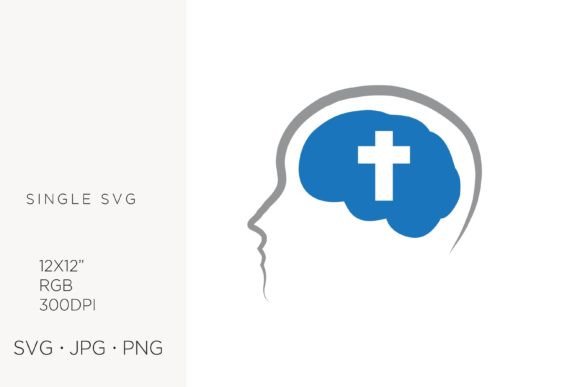
Cross Inside Human Brain, Vector Graphics
As a brand designer with years of experience working with small businesses, I often look for unique graphic design assets that can elevate a brand’s visual identity. Cross Inside Human Brain, Vector is one such illustration that offers both artistic appeal and practical application for local business branding, product packaging, and promotional materials.
First Impressions: A Unique Blend of Symbolism and Artistry
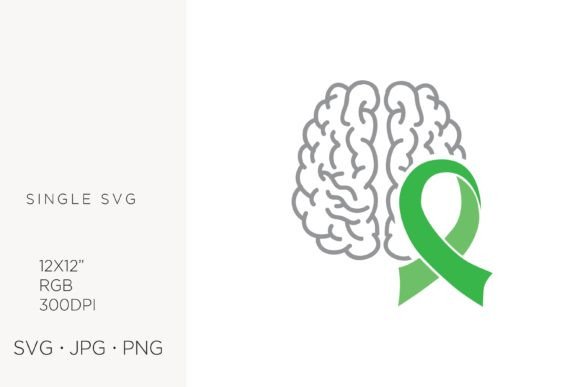
The first thing that catches the eye is the intricate detail of the human brain combined with a cross. This design evokes a sense of mystery, spirituality, and intellectual depth. It feels modern yet timeless, making it suitable for brands that want to communicate a balance between creativity and purpose.
This illustration suggests a brand personality that is thoughtful, innovative, and slightly edgy. It could work well for a wellness brand, a boutique store focused on mindfulness, or a handmade soap business looking to stand out in a crowded market. The design has a subtle elegance that can be adapted to various styles—whether you're aiming for a premium feel or a more approachable, artisanal vibe.
Real-World Applications for Small Business Branding
As a designer, I’ve used similar illustrations in logo design, product labels, and social media graphics. Cross Inside Human Brain, Vector is particularly useful for businesses that want to incorporate symbolic imagery without being too literal. It can serve as a central element in a brand’s visual language, helping to create a stronger first impression and better product recognition.
For example, imagine a skincare brand that wants to emphasize mental clarity and emotional balance. This illustration could be used as a key visual on product packaging, website banners, and even printable inserts. It also works well as a decorative element on thank-you cards or seasonal campaign visuals.
Another great use case is in product mockups. Whether you're designing a coffee shop menu or a handmade candle label, this vector artwork can add a unique touch that sets your brand apart from competitors. It’s also ideal for social media graphics, where bold, memorable visuals can help increase engagement and brand recall.
Supporting Business Presentation and Brand Identity
When used effectively, Cross Inside Human Brain, Vector can contribute to a more consistent brand identity. It helps establish a clear visual hierarchy, ensuring that your marketing visuals are cohesive across different platforms. This consistency builds customer trust and makes your brand appear more professional.
For small business owners, this illustration can be a valuable tool in creating polished marketing visuals. It can be incorporated into web design, editorial design, and even Canva templates, offering flexibility for those who may not have access to advanced design software. Its vector format allows for easy scalability, making it suitable for both large banners and small product labels.
Additionally, this graphic design asset can enhance shelf appeal. In a retail setting, a well-designed package with a striking illustration can make a product stand out. It adds an extra layer of visual interest that can attract attention and encourage purchases.
Where Cross Inside Human Brain, Vector Works Best
This illustration shines when used as a hero graphic on a website or social media post. It also makes a strong statement on product labels, especially for niche brands that want to communicate a deeper message. As a decorative brand element, it can be repeated subtly throughout a brand’s visual system to reinforce identity and create a cohesive look.
It’s also effective in seasonal packaging, such as holiday-themed products or limited edition items. For boutique stores and home decor shops, this design can be used in wall art, stickers, and other handmade craft items. When paired with the right color palette and typography, it can become a signature element of a brand’s aesthetic.
Where to Use It Carefully
While versatile, this illustration may not be the best fit for every project. In formal corporate branding, its complexity might clash with a minimalist approach. Similarly, it may not work well on very small labels or in layouts where text needs to take precedence.
On low-contrast backgrounds, the details of the illustration may not be visible enough to make an impact. For luxury minimalist brands, the design could feel too busy or decorative. It’s important to test the illustration in different contexts before finalizing its use in a project.
Practical Designer Notes for Real Projects
Before using Cross Inside Human Brain, Vector for client work, always check the commercial license to ensure it’s suitable for your intended use. Test it on real packaging mockups to see how it looks in print. Preview it on small labels to confirm readability and visual impact.
Check how it looks in black and white, as some designs lose their effectiveness when stripped of color. Compare it with competitor packaging to ensure it stands out without being overwhelming. Also, review PNG transparency and inspect SVG or vector editability to make sure it can be customized as needed.
Experiment with different font pairings—serif, sans serif, script, and display fonts—to find the best match for your brand’s voice. Finally, always consider how the illustration fits into the overall design strategy, ensuring it supports the brand’s messaging and goals.
Conclusion: A Versatile Asset for Creative Entrepreneurs
For small business owners, handmade sellers, and creative entrepreneurs, Cross Inside Human Brain, Vector offers a unique opportunity to elevate their brand’s visual presence. Whether used in logo design, product packaging, or social media graphics, this illustration can help create a more professional and memorable brand identity.
By thoughtfully integrating this graphic design asset into your projects, you can build stronger emotional connections with your audience and stand out in a competitive market. With careful consideration and testing, it can become a powerful tool in your branding arsenal.