Diamond: A Luxurious Embroidery Design
As an embroidery designer and product reviewer, I’ve seen my fair share of designs that look great on a screen but fall flat when stitched. Diamond, a set of luxury diamond illustrations, offers a unique visual appeal that could elevate a range of projects. But before jumping into using it in real work, I wanted to take a closer look at how it performs in practical embroidery situations.
The First Impression: Elegance Meets Simplicity
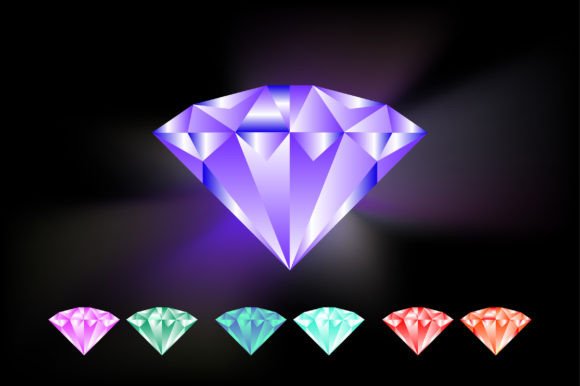
From the moment I opened the Diamond files, I was struck by the clean lines and refined shape. The purple diamond vector design has a modern, sophisticated feel that suggests luxury and precision. It’s not overly complex, which makes it versatile, but it still carries enough detail to stand out as a statement piece.
The layout is balanced, with a central focus that draws the eye without overwhelming the space. This makes it ideal for embroidery projects where the design needs to be the star, such as custom apparel, baby items, or personalized gifts. The theme feels timeless, which is a big plus for small business owners looking for designs that won’t go out of style quickly.
Real-Life Use Cases: Where Diamond Shines
I tested Diamond on a few different fabrics and found that it works best on medium-weight materials like cotton, denim, and canvas. It’s perfect for tote bags, sweatshirts, and aprons—items that often serve as both functional and fashionable pieces. The design’s simplicity also makes it a great accent for embroidered patches or as part of a larger composition.
When used on caps or hats, the diamond shape holds up well, though I’d recommend adjusting the hoop size if working with curved surfaces. For baby clothes, the design adds a touch of elegance without being too flashy, making it a good choice for nursery decor or personalized onesies.
As a digital product, Diamond could be a valuable addition to an Etsy seller’s library or a craft business’s design assets. Its high-quality vector format means it can be scaled easily for different applications, from printable mockups to commercial embroidery projects.
Where to Be Cautious: Practical Considerations
While Diamond is visually appealing, there are some scenarios where it might not perform as well. On small hoop sizes, the design could appear cramped, so it’s important to check the recommended hoop dimensions before starting. Thin or stretchy fabrics may also pose challenges, as the design’s details could get lost or distorted during stitching.
On dark fabrics, the purple color might not show up as vibrantly as on lighter backgrounds. I recommend testing the design with different thread colors to ensure it meets your vision. Additionally, if you’re planning to use it on layered garments or textured fabrics, be mindful of how the stitches interact with the material.
Dense stitch areas can sometimes cause puckering or distortion, so I’d advise checking the stitch density and using the appropriate stabilizer. For intricate corners or tiny lettering, extra care is needed to maintain clarity and prevent misalignment.
Impact on Visual Appeal and Customer Perception
Diamond has the potential to significantly enhance the visual appeal of any project it’s used in. Its clean, modern look can make a handmade product feel more professional and polished, which is essential for building customer trust. Whether it’s a custom embroidered tote bag or a holiday gift, the design adds a level of sophistication that can set a product apart from the competition.
For small shop owners and Etsy sellers, this kind of design can improve brand consistency and make products more recognizable. It also increases the giftability of items, as the elegant style appeals to a wide range of buyers. When used effectively, Diamond can help create a stronger emotional connection between the product and the customer.
Practical Designer Notes: Tips for Success
Before committing to a project, I always recommend testing any new machine embroidery design on scrap fabric. This helps identify any issues with stitch density, thread color contrast, or fabric compatibility. For Diamond, I’d suggest trying it on both light and dark backgrounds to see how it looks in different contexts.
Check the hoop size requirements carefully, especially if you're working with curved surfaces like caps or hoods. Using the right stabilizer is crucial for maintaining the integrity of the design, particularly on stretchy or thin fabrics.
If you’re planning to sell finished products or digital embroidery files, make sure to review the licensing terms. Even though Diamond is described as high-quality and ready to use, it’s always wise to confirm the allowed usage before proceeding.
Final Thoughts: A Versatile Addition to Your Design Toolkit
Diamond is a design that balances elegance with practicality. It’s not the most intricate or detailed file I’ve worked with, but its simplicity allows it to fit into a variety of projects seamlessly. Whether you're creating custom apparel, personalized gifts, or small business merchandise, this design has the potential to add value and visual interest.
As with any embroidery file, success depends on how well it’s adapted to the specific project. With careful consideration of fabric type, hoop size, and stitch settings, Diamond can become a standout element in your work. For designers and makers looking for a reliable, stylish option, this set is definitely worth exploring.